Machine Health Check for Reliable Spinning Performance
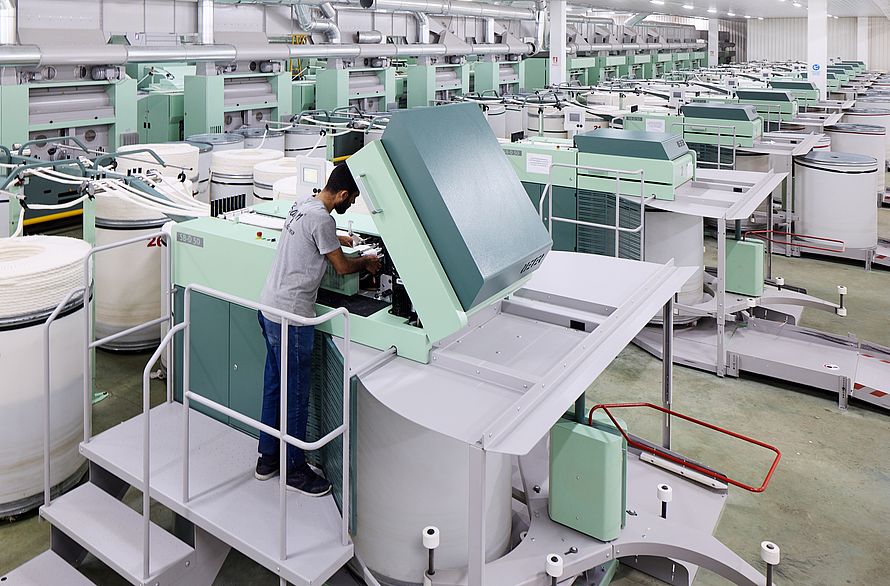
Eine konstant hohe Maschinenleistung beginnt mit der frühzeitigen Erkennung potenzieller Probleme und einer vorausschauenden Instandhaltung. Mit dem Health-Check für Maschinen von Rieter erhalten Spinnereien eine schnelle und strukturierte Beurteilung des Maschinenzustands. So lassen sich potenzielle Risiken erkennen, bevor sie Produktion, Qualität oder Effizienz beeinträchtigen.
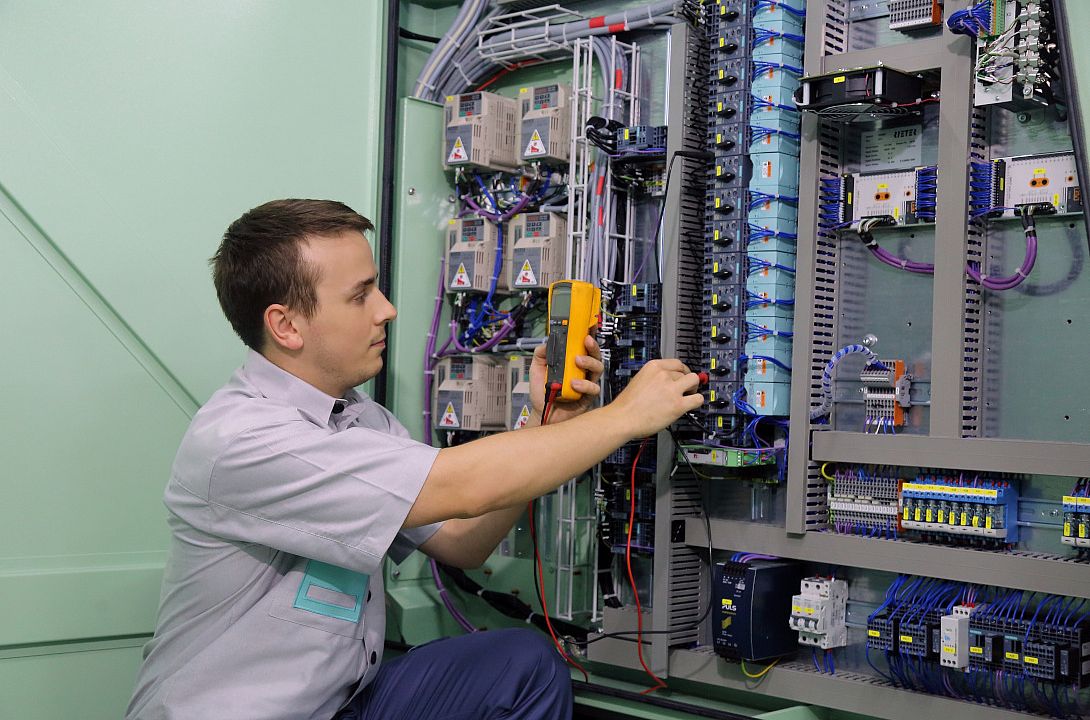
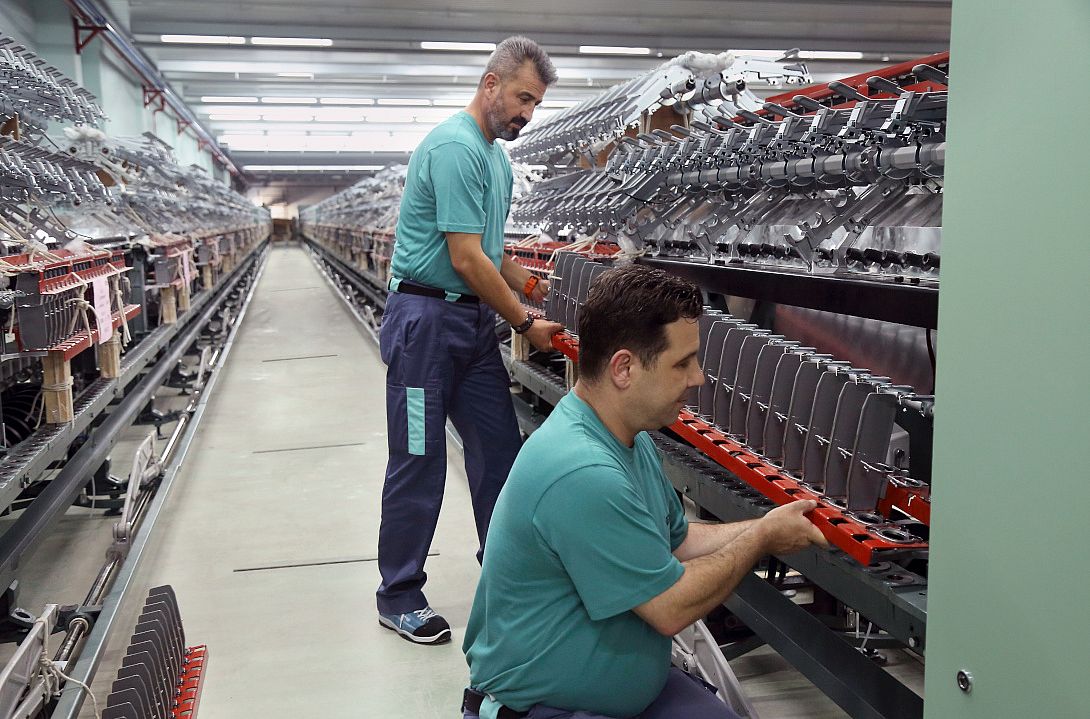
Rieter-Experten unterstützen bei der frühzeitigen Erkennung verborgener Probleme, der Reduzierung unerwarteter Stillstände und der Sicherstellung eines reibungslosen sowie wirtschaftlichen Spinnereibetriebs. Gleichzeitig entlastet der Health-Check die Techniker, sodass sie sich auf ihre technischen und betrieblichen Kernaufgaben konzentrieren können.
Kundennutzen
- Ungeplante Maschinenstillstände vermeiden und kostspielige Produktionsunterbrechungen verhindern
- Herstellkosten durch höhere Maschinenzuverlässigkeit, maximale Maschinenverfügbarkeit und gesteigerte Produktivität senken
- Potenzielle Probleme frühzeitig erkennen, bevor sie zu Ausfällen führen
- Produktivität, Effizienz und Garnqualität verbessern
- Maschinenlebensdauer verlängern und Investitionen schützen
- Klare und umsetzbare Empfehlungen für sofortige Massnahmen sowie langfristige Verbesserungen erhalten
- Wettbewerbsfähig bleiben dank längerer Maschinenlebensdauer und optimaler Nutzung bestehender Maschinen
- Potenzial für Energieeinsparungen identifizieren
- Von einem zentralen technischen Ansprechpartner profitieren
Leistungsumfang
Der Health-Check für Maschinen bietet eine durchgängige Beurteilung der gesamten Rieter-Spinnlinie, von der Putzerei bis zur Spulmaschine, und deckt dabei folgende zentrale Bereiche ab:
- KZustand und Leistung technologischer Schlüsselkomponenten
- Energiesparpotenzial sowie Zustand der Druckluft- und Absaugsysteme
- Sauberkeit und Gesamtzustand der Maschinen
- Verschleiss kritischer Maschinenkomponenten
- Sicherheitsrelevante Aspekte und technischer Maschinenzustand
- Geräuschentwicklung, Schwingungen und Temperaturverhalten
- Überprüfung der Maschineneinstellungen und Prozessparameter
- Beurteilung der Qualität von Zwischen- und Endprodukten
Health-Check-Bericht für den Kunden
Eine umfassende Beurteilung durch Rieter-Experten zeigt potenzielle Risiken und Optimierungsmöglichkeiten auf. Der Bericht umfasst:
- Dokumentation der festgestellten Probleme mit Bildern und Erläuterungen
- Zusammenfassung der Abweichungsanalyse und Empfehlungen für die nächsten Schritte
- Fünf zentrale Empfehlungen für sofortige Korrekturmassnahmen
- Vorschläge für mittel- und langfristige Verbesserungen
- Kompakte Ergebnisbesprechung mit den Technikern