The Rieter Recycling Toolbox

Three tools to spin high-quality ring yarns
  1. Full cleaning of the recycled fibers
  2. Improved yarn quality
  3. Better fabric appearance
Sliver and roving yarn made of a blend of recycled fibers and virgin cotton

Innovation in recycling

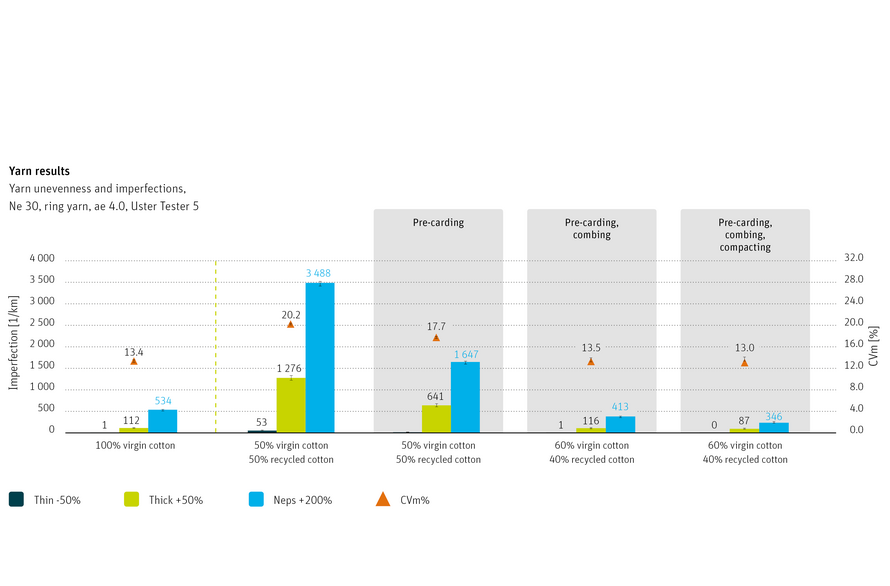
Spinning fine ring yarns with a high share of recycled fibers at a quality level that is comparable to 100% virgin cotton carded ring yarns is possible with Rieter’s recycling toolbox. The main challenges with mechanically recycled fibers are unopened yarn and fabric segments, high short-fiber content and high nep content. Each tool contributes to another yarn quality criteria. Trials confirm that pre-carding cleans the recycled fibers perfectly before they enter the spinning process, combing reduces the number of short fibers and compacting adds the finishing touch to the yarn.

To show the impact of the different tools, Rieter conducted a trial with a blend of 50% mechanically recycled fibers and 50% virgin cotton, spun into a ring yarn with yarn count Ne 30. A regularly spun carded cotton ring yarn serves as a reference. To come as close as possible to the virgin cotton quality, the toolbox comes into play.
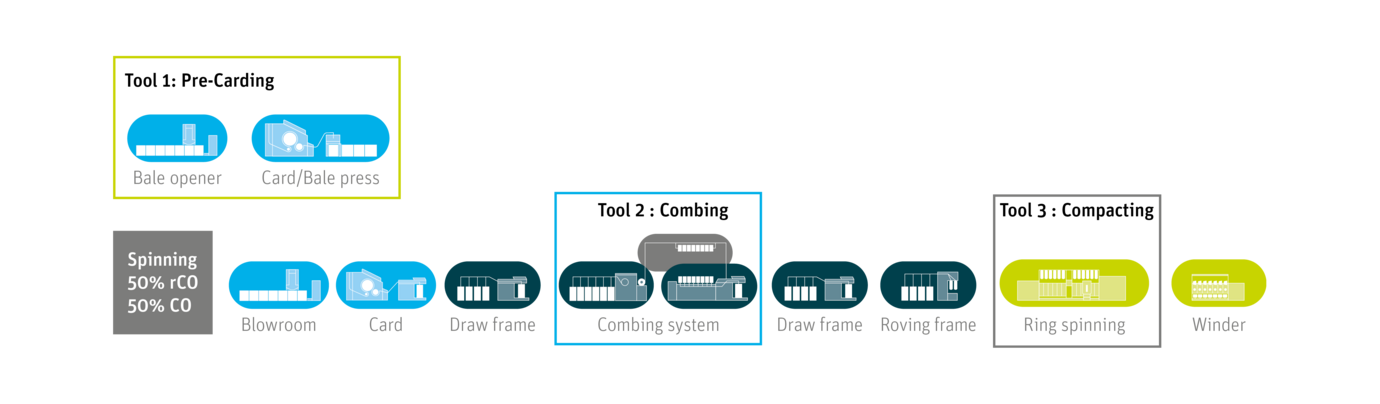
Ring spinning process pictogram for recycled fibers using Rieter recycling toolbox

Pre-carding for full cleaning

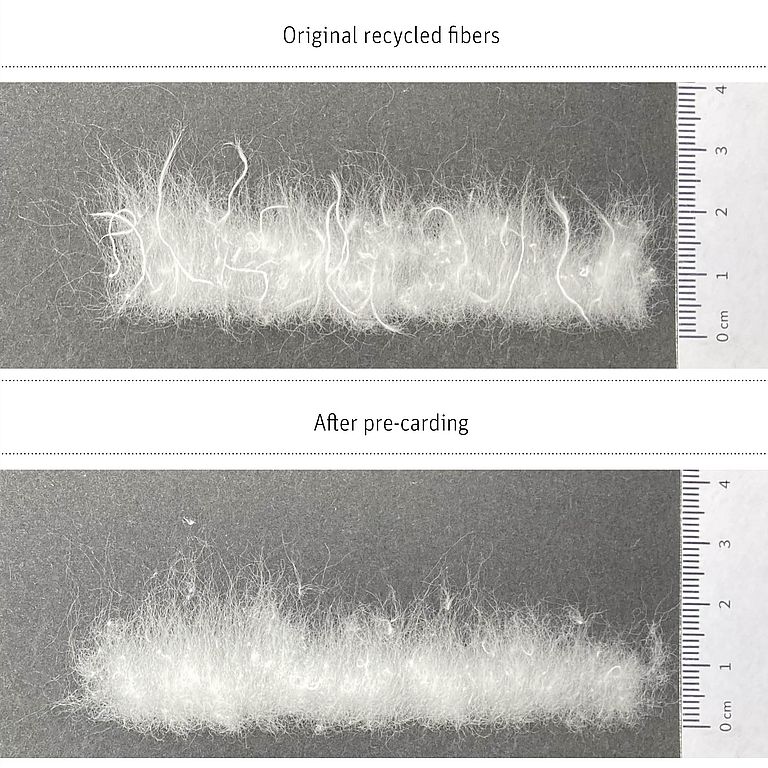
Pre-carding is considered as an additional fiber refinement step used exclusively with recycled fibers. The process removes all unopened yarn pieces, significantly reduces the number of neps, and eliminates dust. Instead of producing a sliver, the recycled fibers are either fed back into a bale press or can be blended directly in the blowroom.

Pre-carded recycled fibers

  • normalize waste levels
  • reduce occuranze of thick places and neps by approx. 50%
  • reduce cleaning efforts during spinning process
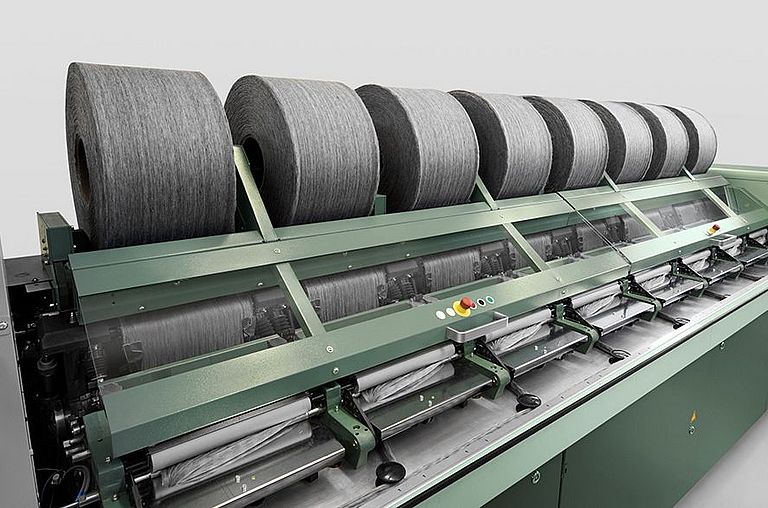
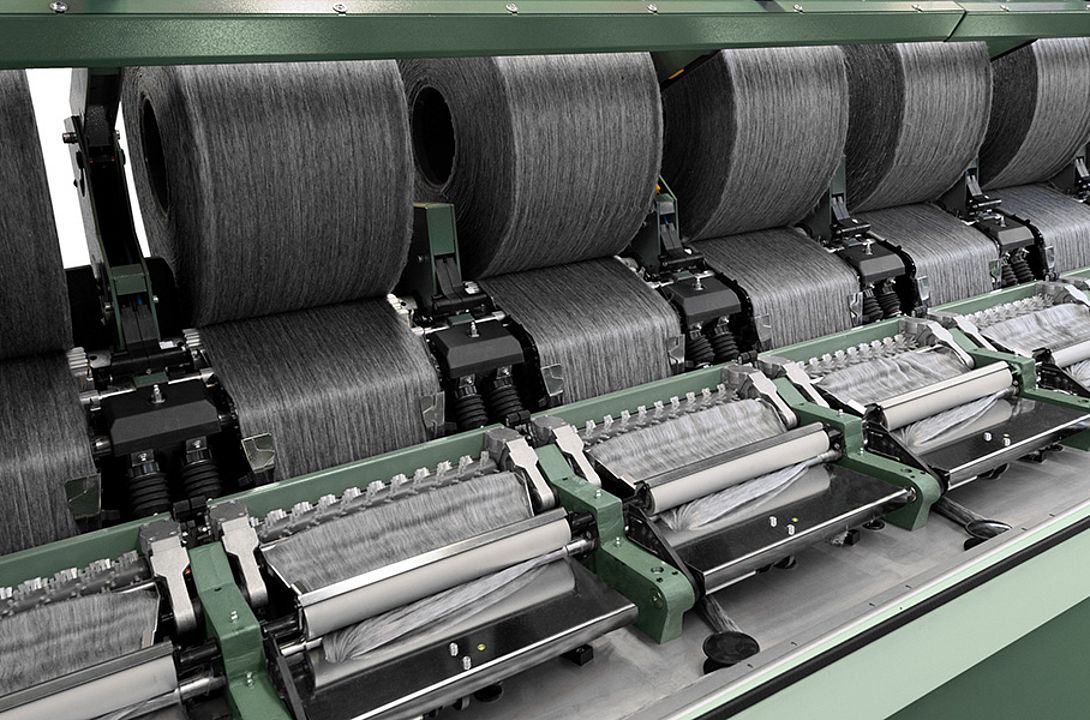
Combing recycled fibers with Rieter comber E 90

Combing to improve yarn quality

The second tool is the comber. Combing is a process step that is widely recognized for its ability to improve the quality of the raw material as it removes the most disturbing short fibers, neps, and impurities. As mechanically recycled cotton is particularly challenging due to its high short-fiber content, combing these fibers proves to be beneficial. In combination with the pre-carding process, it can basically lead to a yarn quality with improved imperfection and yarn quality comparable to a carded virgin cotton yarn. 

Compacting to add the finishing touch

The first two tools have already reached productivity levels and yarn quality comparable to carded virgin cotton. However, they still lack in yarn strength. This is where compacting comes into play. Compacting is especially beneficial for the tenacity and for the yarn abrasion and in turn for the yarn hairiness. This improvement leads to good running performance in downstream processes and also increases the lifetime of the finished products. This is particularly desirable in terms of sustainability.

The graph of the carding and combing influence on the yarn imperfections and unevenness.
Yarn imperfections and unevenness
Ring yarn, blend of cotton (Senegal) with mechanically recycled cotton rCO, Ne 30
The graph of the carding and combing influence on the yarn tenacity.
Yarn tenacity
Ring yarn, blend of cotton (Senegal) with mechanically recycled cotton rCO, Ne 30

More circular future of textile production

The tools provide a solution to the current gap between textile recycling and spinning, supporting a more circular future of the textile production.

Related content

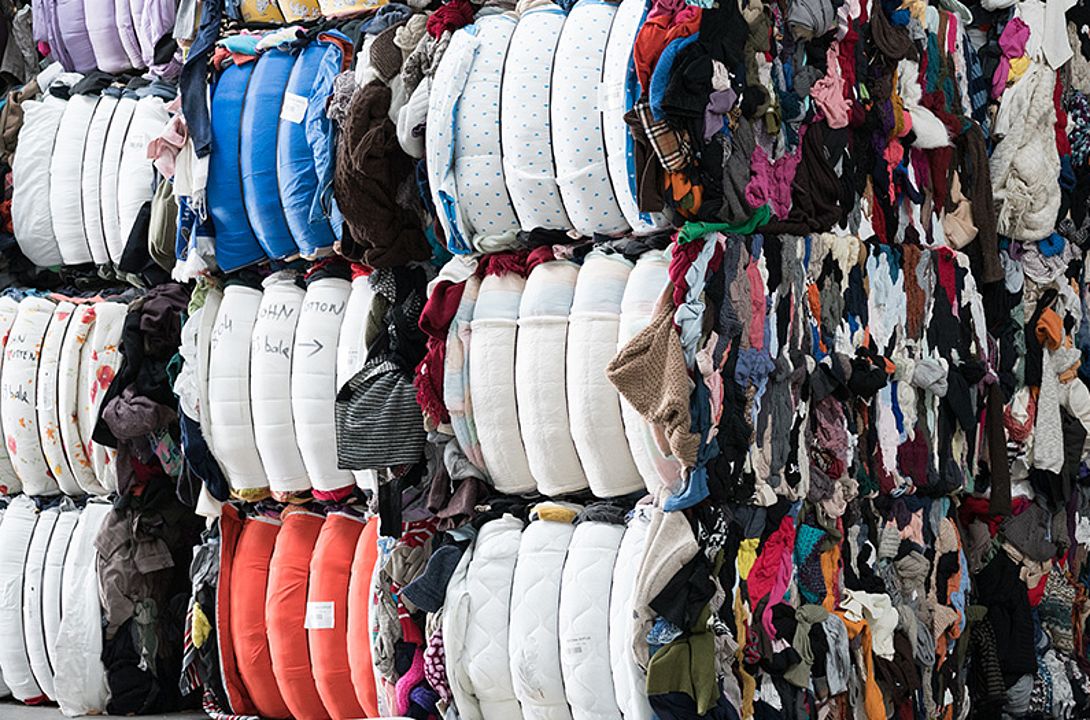
  • Potentially recyclable textile waste

    Com4recycling spinning systems

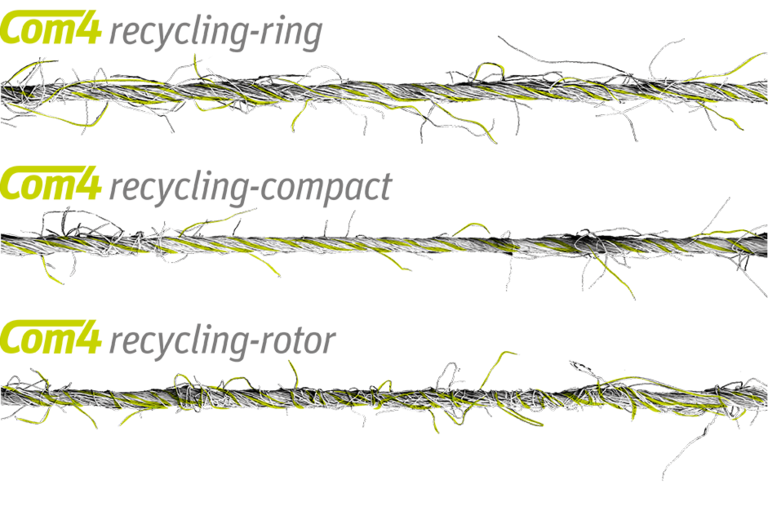
    Rieter’s technology know-how enables the use of recycled fibers to spin ring, compact and rotor yarns. By pushing the technological boundaries of recycling, Rieter systems contribute to closing the loop in the textile sector.

    Explore
  • Combing recycled fibers with Rieter comber E 90

    Combing recycled cotton blends

    With the potential of reducing the short-fiber content and the number of neps, the combed process is very interesting for recycled cotton blends. Rieter trials show how to successfully use the comber for spinning recycled ring and compact yarns.

    Explore
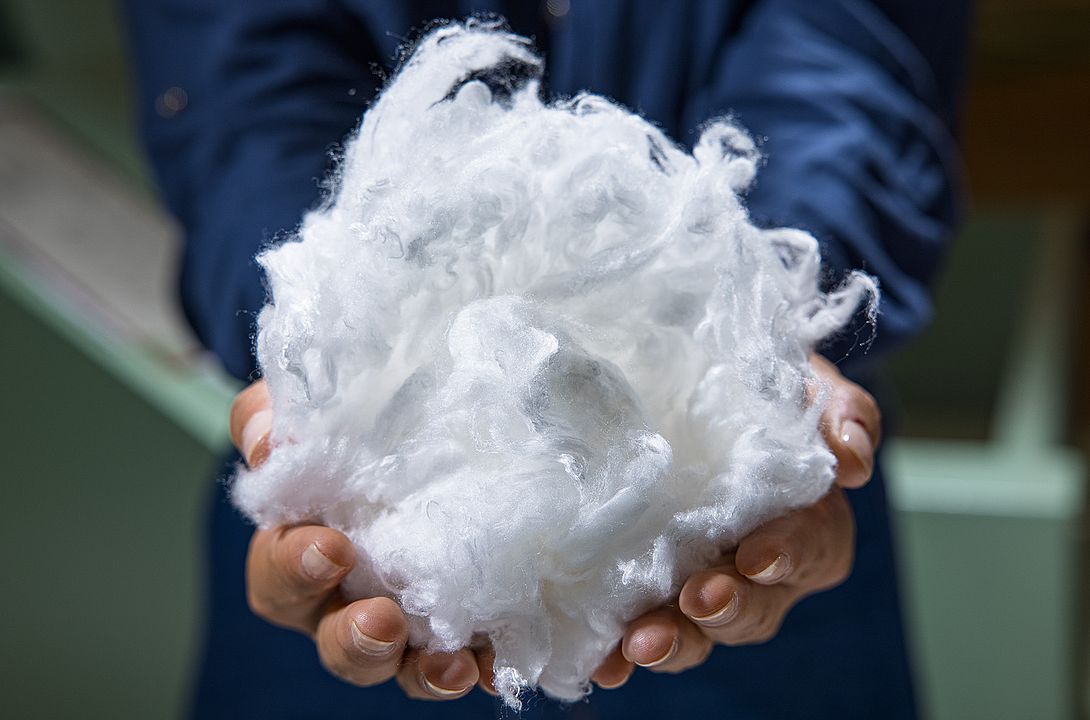
  • Hands hold viscose

    Doubling Recycled Cotton in Yarn Through Cellulose Fibers

    Twice the recycled cotton content, better performance: Rieter’s latest technology report reveals the potential of cellulose fibers in sustainable yarn production.

    Explore
Com4recycling yarns

Yarn licenses for Com4recycling

To further establish recycled yarns in the market, they will be included in the proven Rieter Com4 yarn family. Com4 is a globally registered trademark for yarns spun on Rieter end spinning machines. Com4recycling licenses are now available for recycled ring, compact, and rotor yarns. Spinning mills that produce recycled yarns with a Rieter card, draw frame, and end spinning machine and also have Global Recycling Standard (GRS) certification can apply for a Com4recycling yarn license.

XS
SM
MD
LG
XLG