Combing Recycled Cotton Blends

Improved recycled ring and compact yarn quality
  1. Better yarn quality
  2. Higher recycling ratio
  3. Using the noil for rotor yarn
Combing recycled cotton blends with comber E 90

Innovation in Recycling

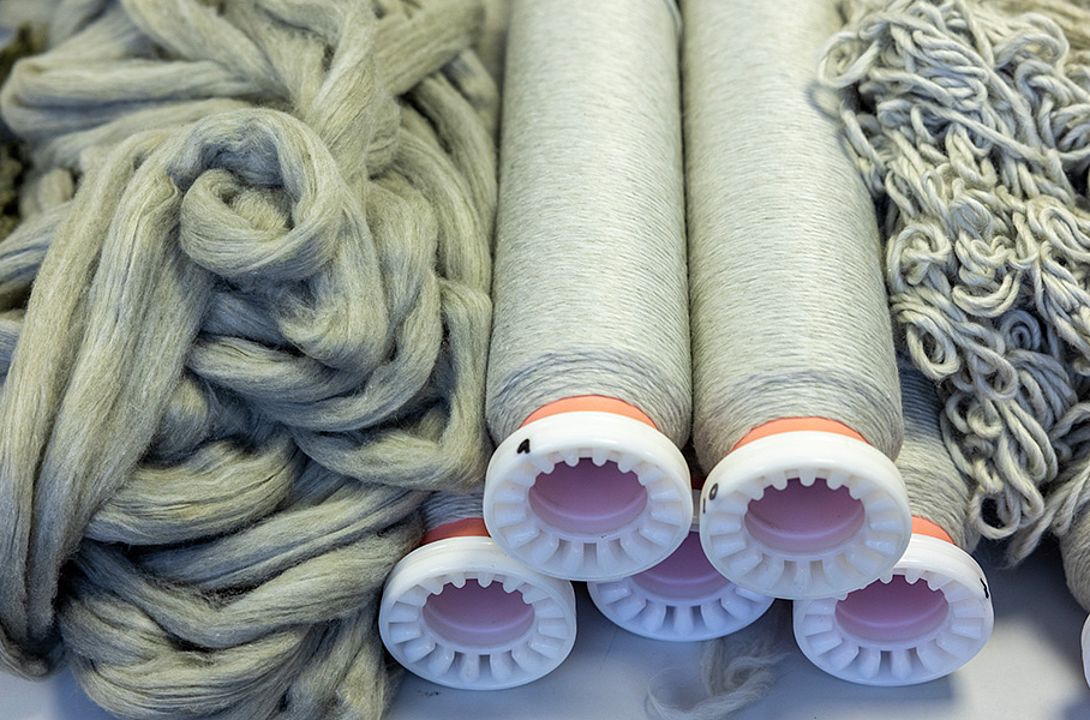
The combed process is a standard process which is widely used in the industry to improve the quality of virgin cotton. It enables the spinning of finer yarns with a higher tenacity as well as lower imperfections and unevenness. With the potential of reducing the short-fiber content and the number of neps, it is a very interesting process to be also used for recycled cotton blends. Rieter conducted several trials which show the successful use of the combed process for spinning ring and compact yarns from blends of mechanically recycled and virgin cotton.

Ring spinning process pictogram for recycled fibers
Processing recycled fibers

Characteristics of mechanically recycled fibers

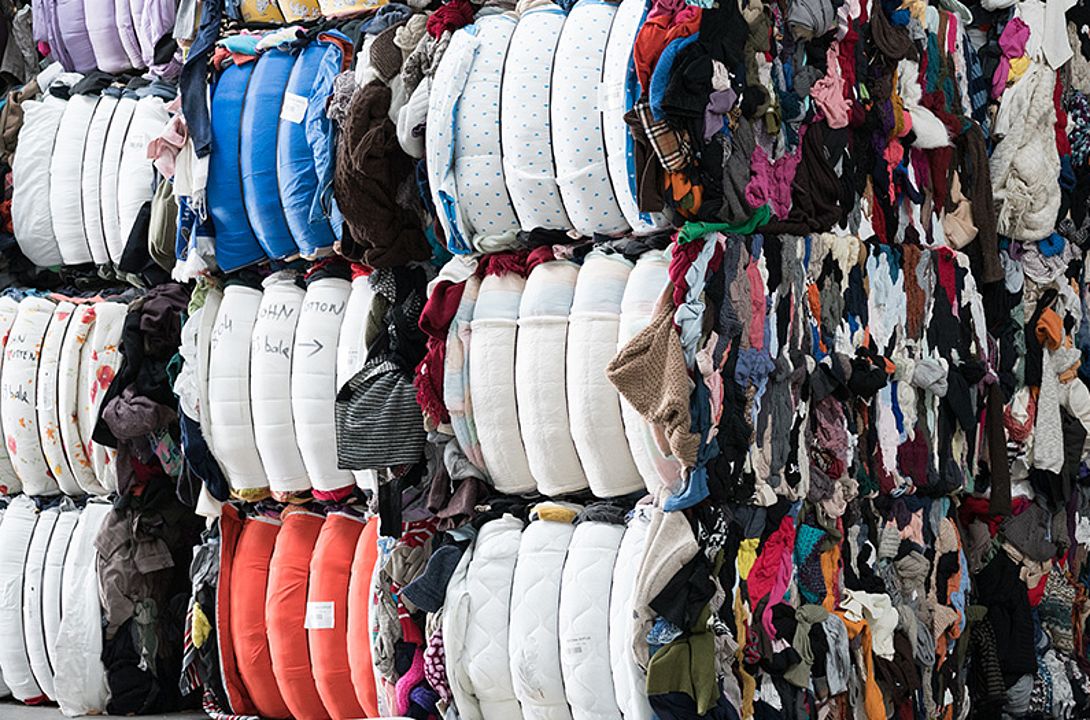
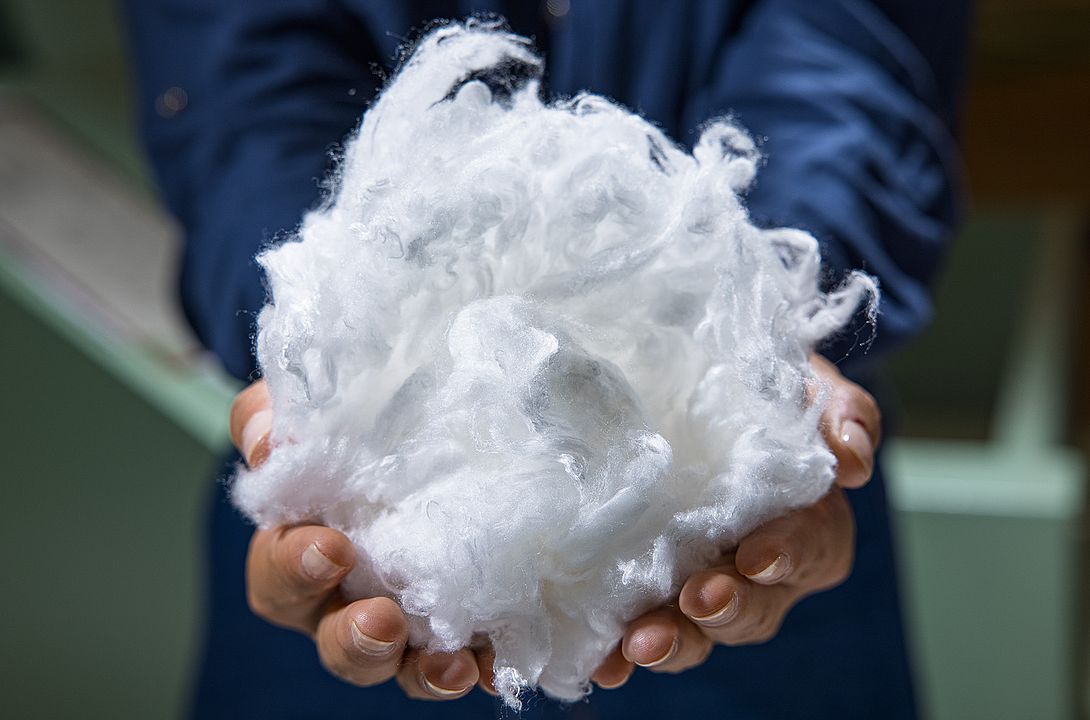
Recycled fibers are going to play an important role in the fiber mix of the future. Despite extensive research, mechanically recycled fibers are still challenging to be re-spun into yarns due remaining yarn and fabric pieces, a high short-fiber content and a high number of neps. These parameters become particularly problematic when virgin cotton is used as a blending fiber. Depending on the cotton quality, the virgin cotton can already have a high content of short fibers and neps. This can quickly limit the additional amount of recycled fibers that can be added to the blend.

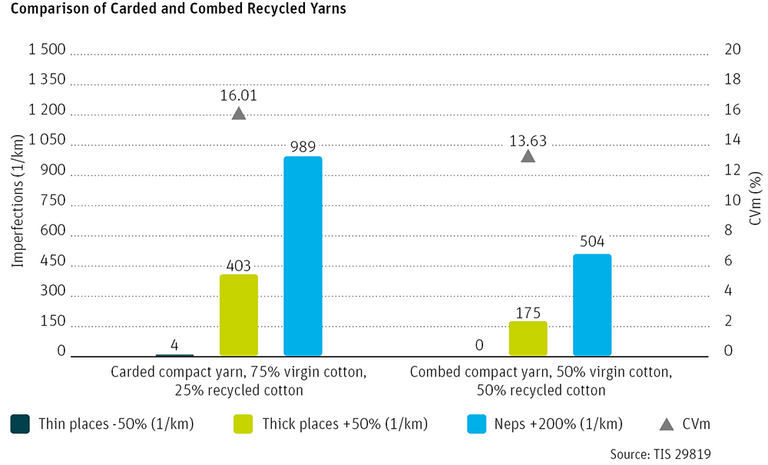
Comparison of carded and combed recycled yarns
Yarn imperfections and unevenness CVm, Ne 30, cotton blend with recycled cotton

Improving quality with the combed process

Recycled fibers affect yarn quality. In the Rieter trial the carded sample containing 25% recycled cotton has high unevenness values as well as many thick places and neps. Combing helps to get rid of the very short and disturbing fibers and improves the yarn quality. This can be seen when comparing the carded and combed sample: Although the share of recycled fibers is twice as high in the combed sample, the unevennness and imperfection level is better compared to the carded sample.

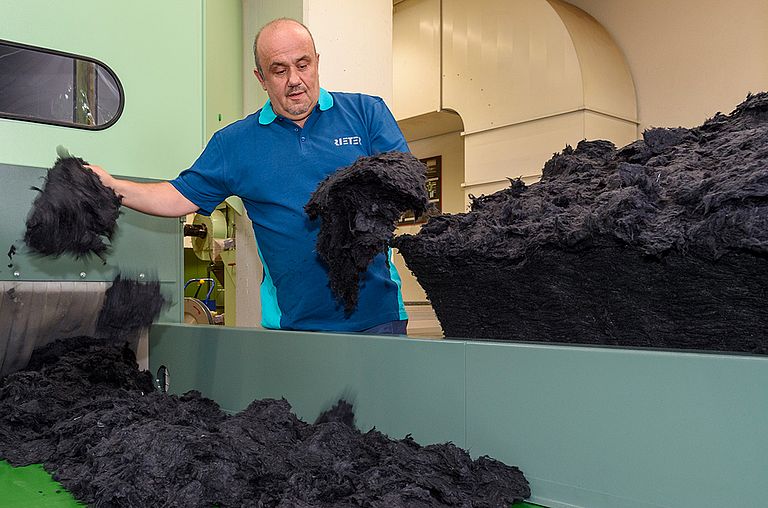
Short fibers and neps combed out from blends of mechanically recycled and virgin cotton

Share of recycled fibers left in the yarn

A main question of the trial was how many recycled fibers are removed during the combed process and how this affects the overall recycling ratio in the final yarn. The results show that after combing, the share of recycled fibers in the blend is reduced from 50% to around 40%. However, not only recycled fibers are combed out but also short fibers of the virgin cotton. This means that there is still a considerable amount of recycled fibers remaining in the blend. The noil resulting from the combed process is ideal for processing on a rotor spinning system.

Cover of the Rieter Textile Technology Report "Enhancing Recycled Ring Yarn Quality"

Explore the full report

Learn how recycled cotton blends perform in the combed process and what impact additional process steps have on yarn quality and production costs. 

Download the technology report for detailed test results, analyses, and practical insights.

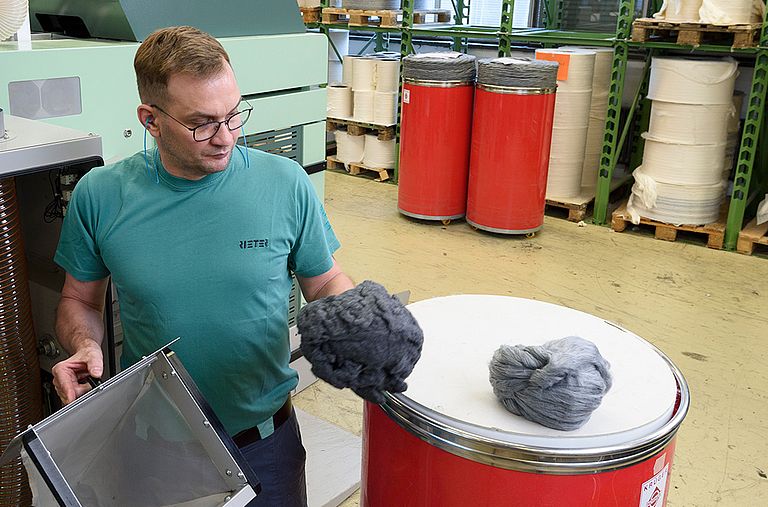
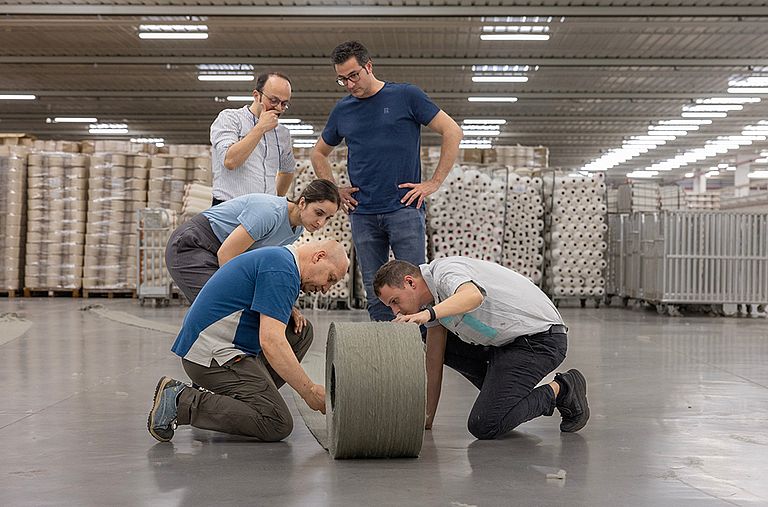
The team is checking the evenness of the comber lap

Field test with Recover and Polopiqué

It is important to validate the combed process for recycling also on an industrial level. For this reason, a similar trial as in the Rieter spincenter was conducted at Portuguese textile manufacturer Polopiqué. A green recycled fiber from post-industrial origin provided by Spanish recycled fiber-producer Recover was used for the trial. 

The results at Polopiqué confirm the results of the spincenter. The yarn quality can be improved significantly with the combed process, while maintaining a high share of green recycled fibers in the blend. 

Polopiqué – as a vertically integrated textile company – produced polo shirts from the combed recycled ring yarns. The quality of the garment is comparable to a virgin product.

Machines for the Combed Process for Recycled Cotton Blends

Rieter blowroom technology: VARIOline

Blowroom line VARIOline

Variable blowroom concept for top fiber opening, 40% less energy use, and smart features for maximum yarn quality.

Explore
High-Performance Carding Machine C 81

Card C 81

The most energy-efficient card on the market produces up to 40% more sliver than any other card while maintaining excellent quality.

Explore
Autoleveler draw frame RSB-D 27

Autoleveler draw frame RSB-D 27

The double-head draw frame RSB-D 27 ensures precise autoleveling, high sliver quality, and maximum productivity for modern spinning preparation.

Explore
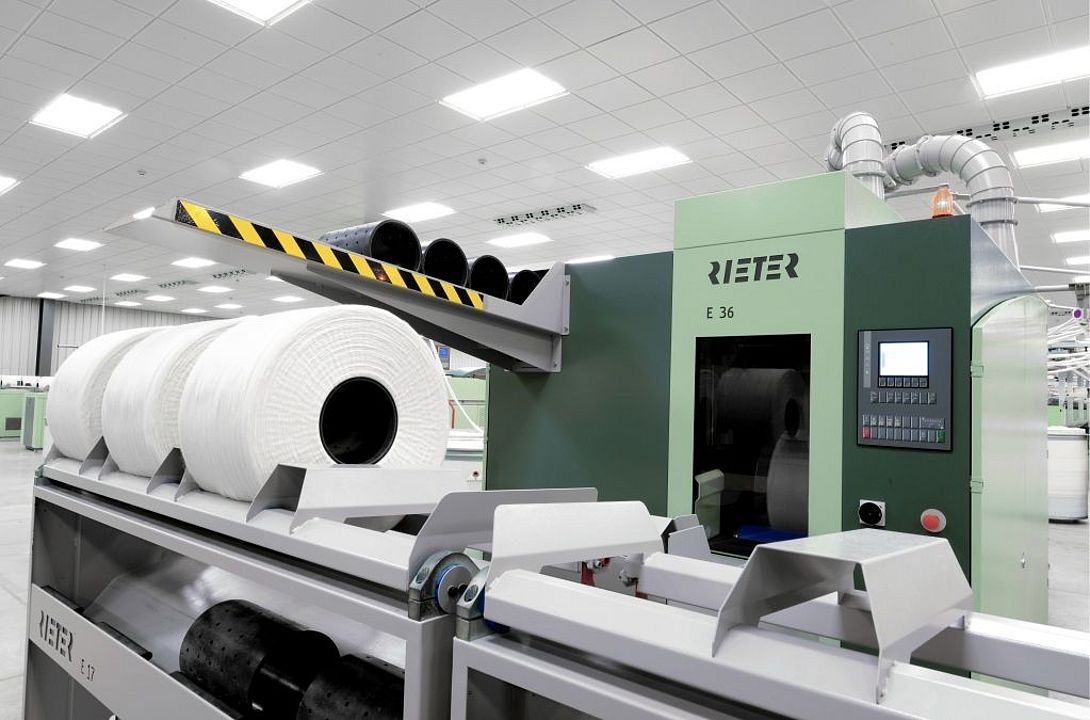
Rieter combing preparation system OMEGAlap E 36

Combing preparation OMEGAlap E 36

OMEGAlap E 36 delivers uniform lap quality and maximum productivity with proven winding belt technology for efficient combing.

Explore
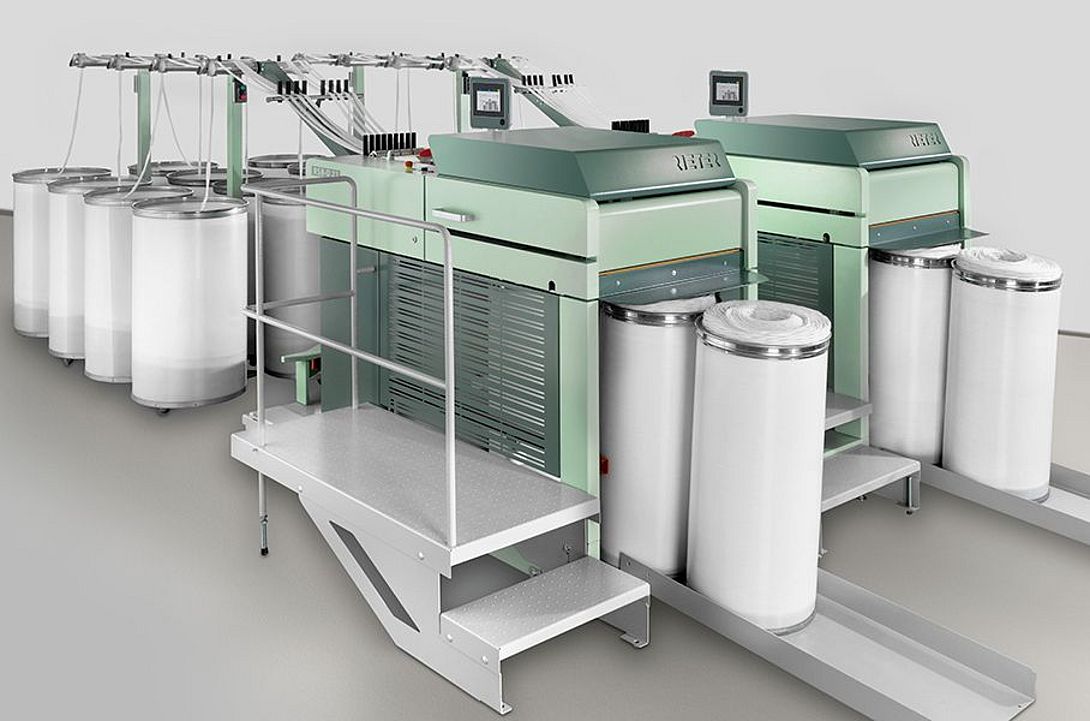
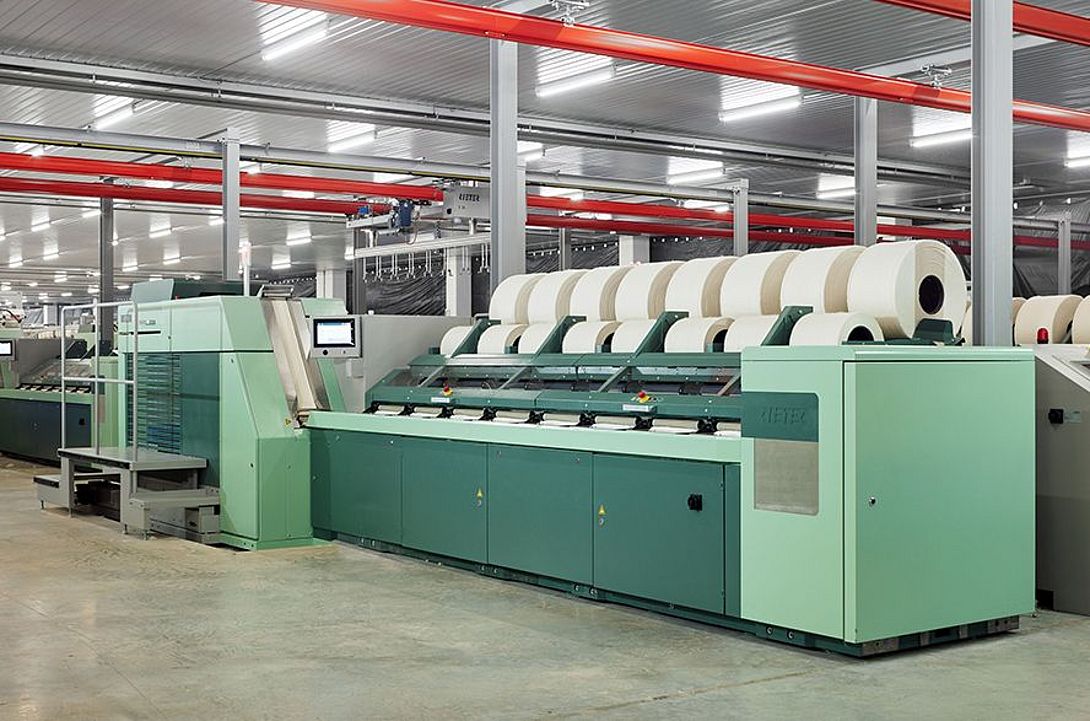
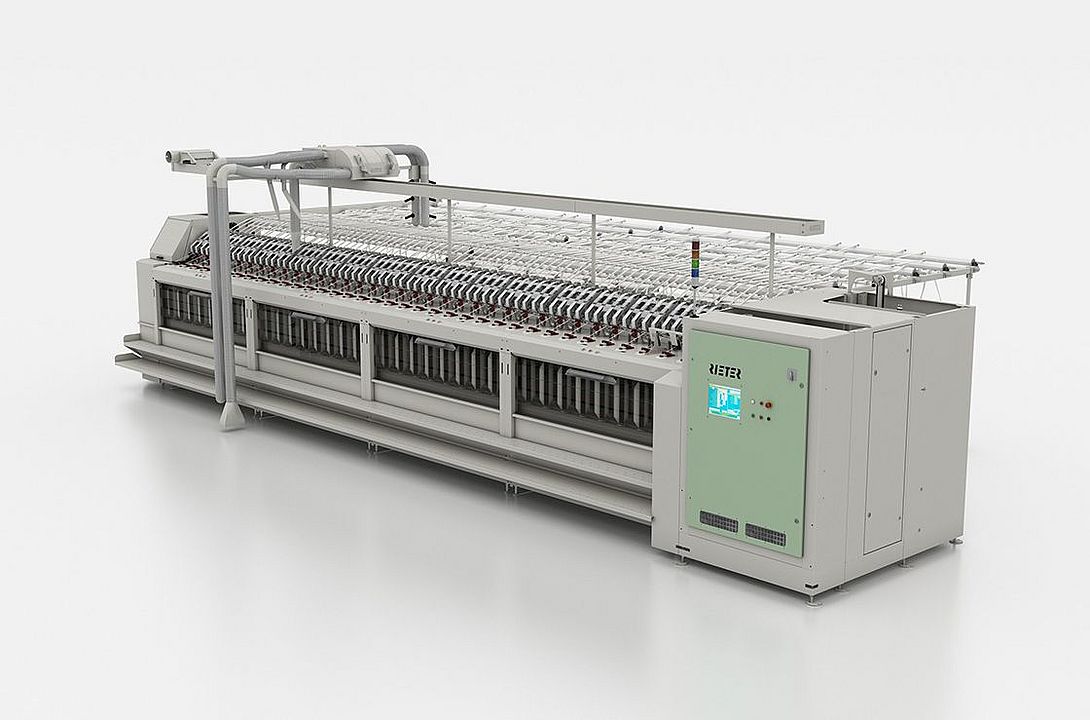
Rieter comber E 90

Comber E 90

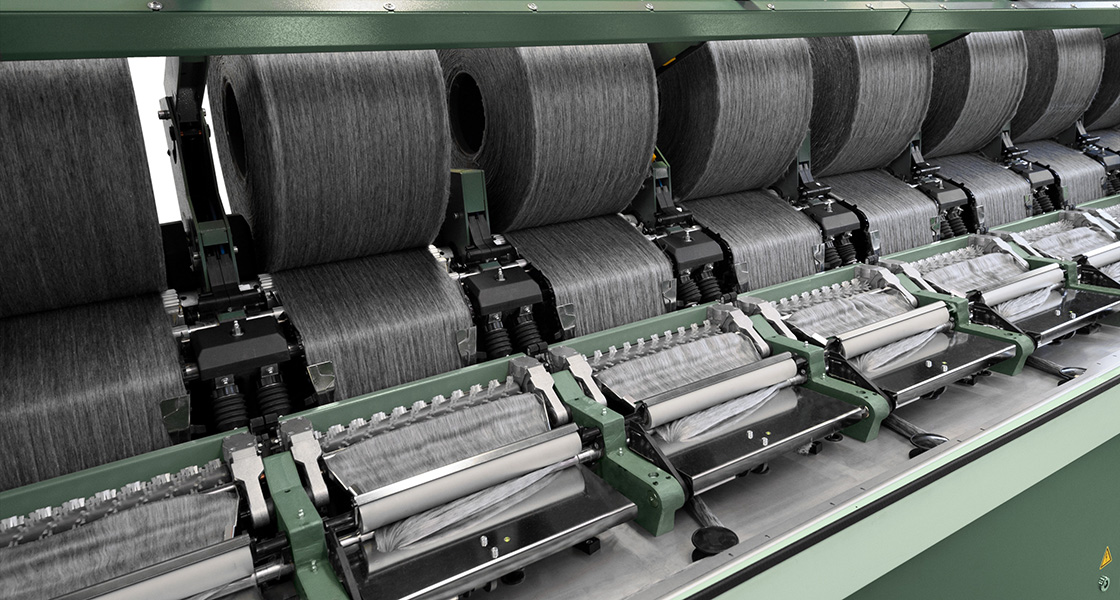
The comber E 90 achieves market-leading productivity, raw material savings, and consistent quality with advanced automation and control.

Explore
Roving Frame F 40/F 20

Roving frame F 40/F 20

F 40 and F 20 minimize downtime with fast doffing – fully automated or semi-automated – for efficient roving production.

Explore
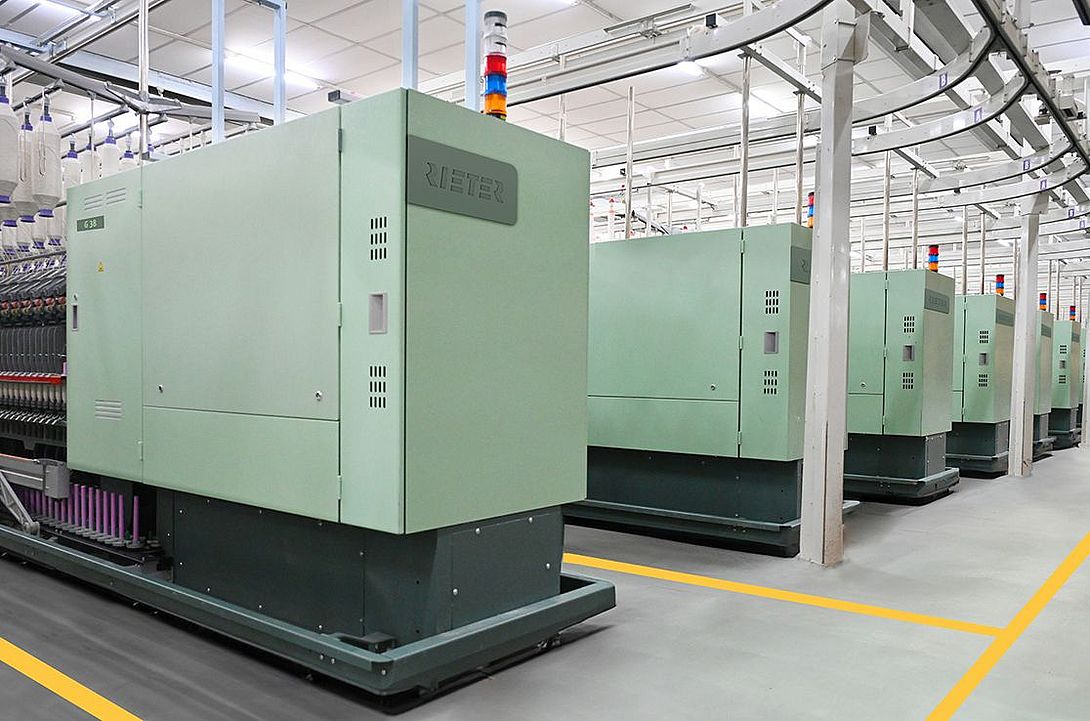
Ring spinning machines G 38 using SERVOtrail

Ring spinning machine G 38

G 38 offers flexible production of standard, compact, and special yarns with top speeds and energy-efficient design.

Explore
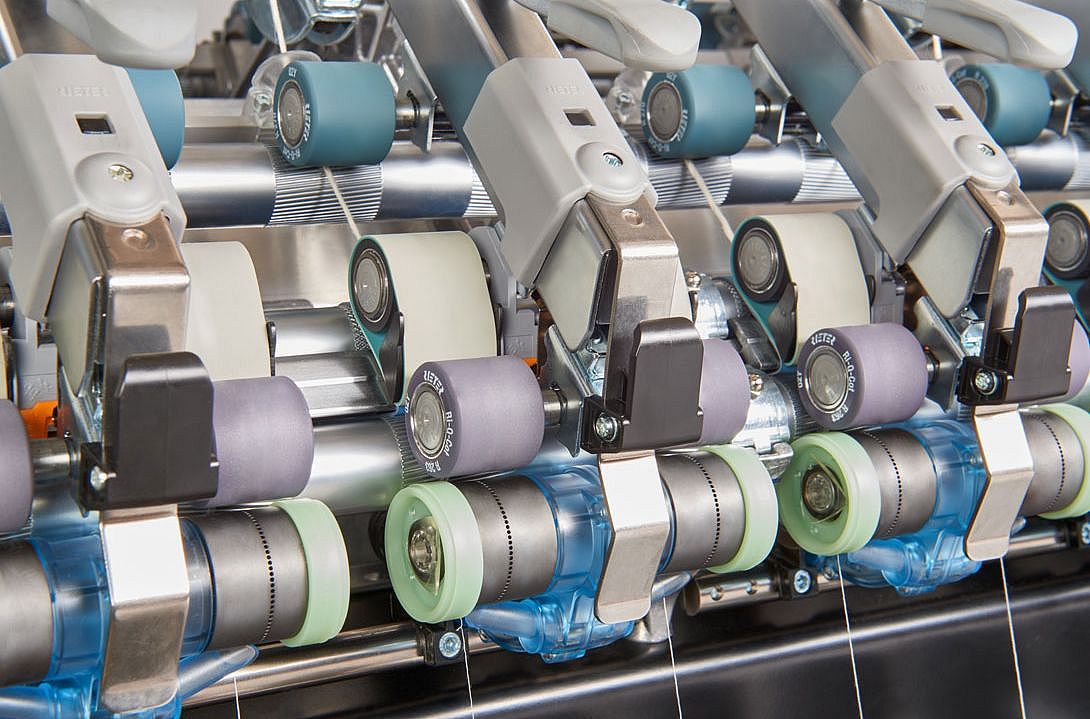
Close-up of five spinning positions with the compacting device COMPACTdrum

COMPACTdrum

Flexible compacting device for quick switches between ring yarn and compact yarn, low energy use, and durable performance across all materials and counts.

Explore

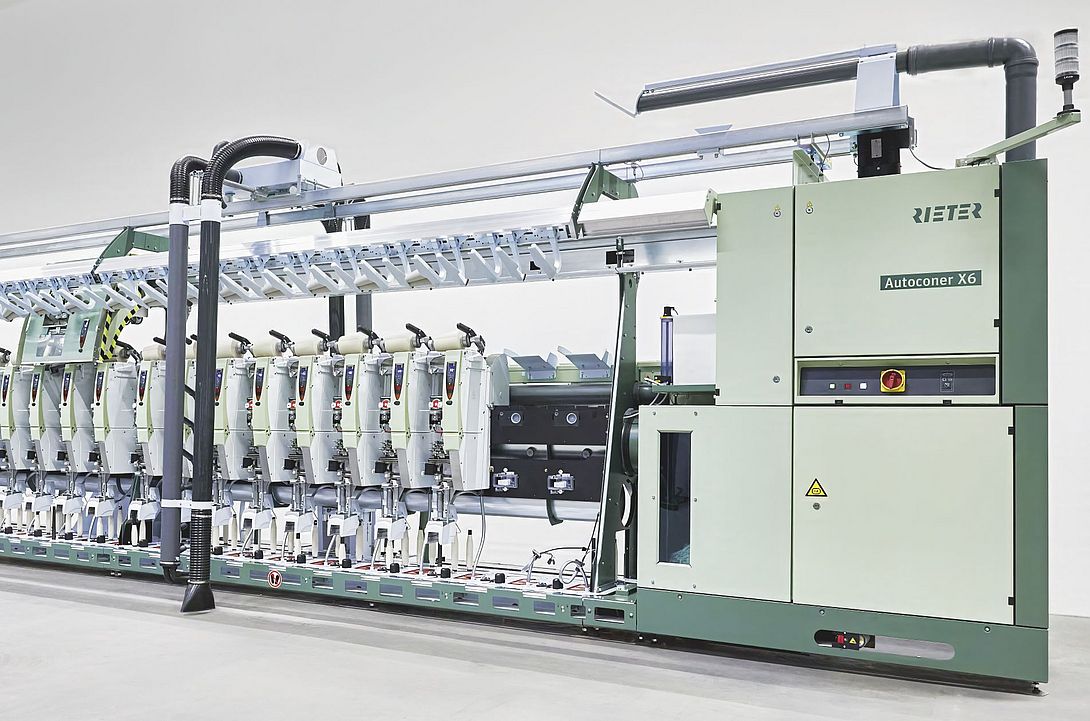
Winding machine Autoconer X6

Efficient, flexible winding with Autoconer X6 – top splice quality, RFID automation and real-time data.

Explore

XS
SM
MD
LG
XLG