High-Performance Card C 81

Maximum use of carding area enabled by artificial intelligence
  1. Up to 40% more sliver – the most productive card
  2. Unmatched sliver quality thanks to unique technologies
  3. Up to 2% higher yield
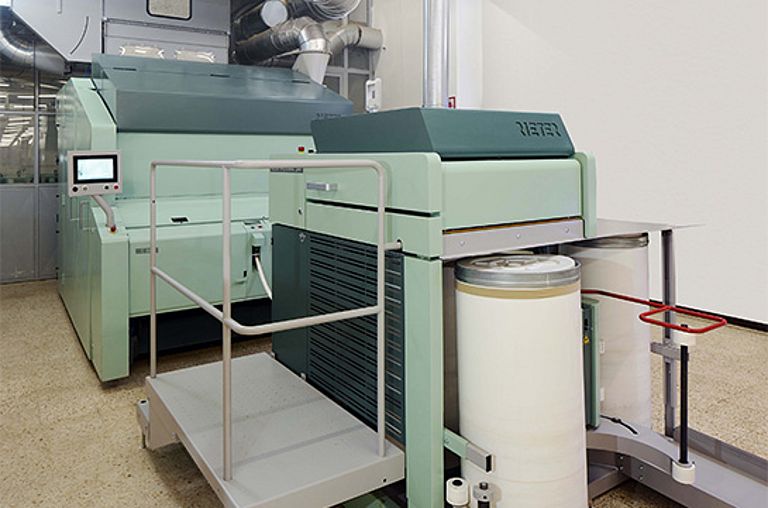
High-Performance Carding Machine C 81

Introducing C 81

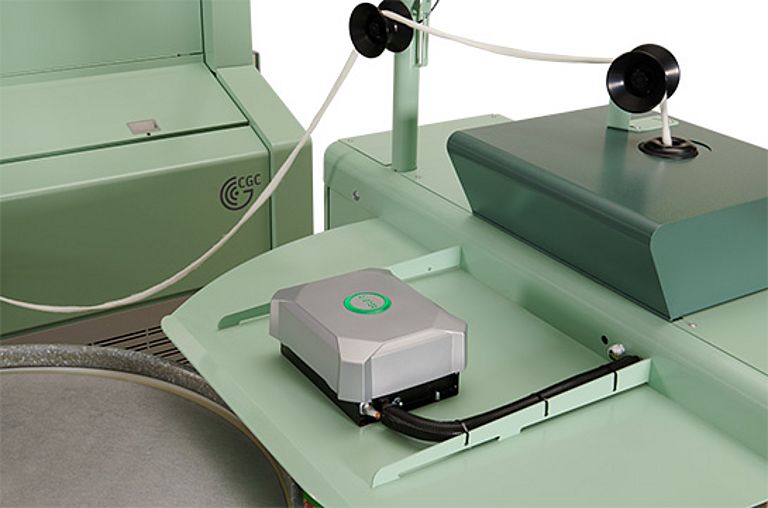
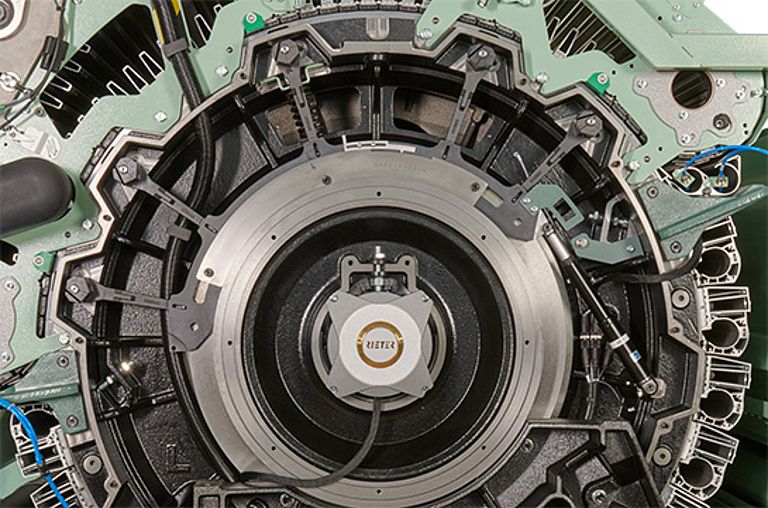
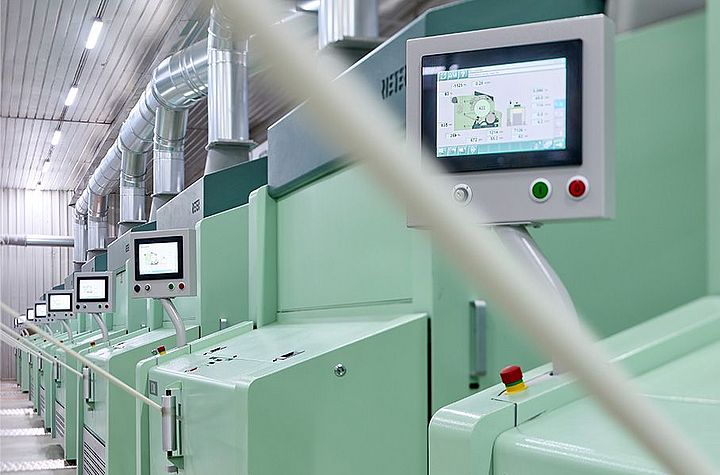
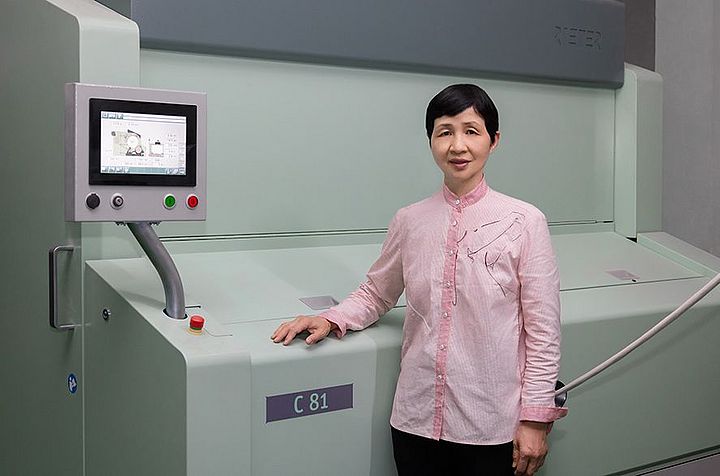
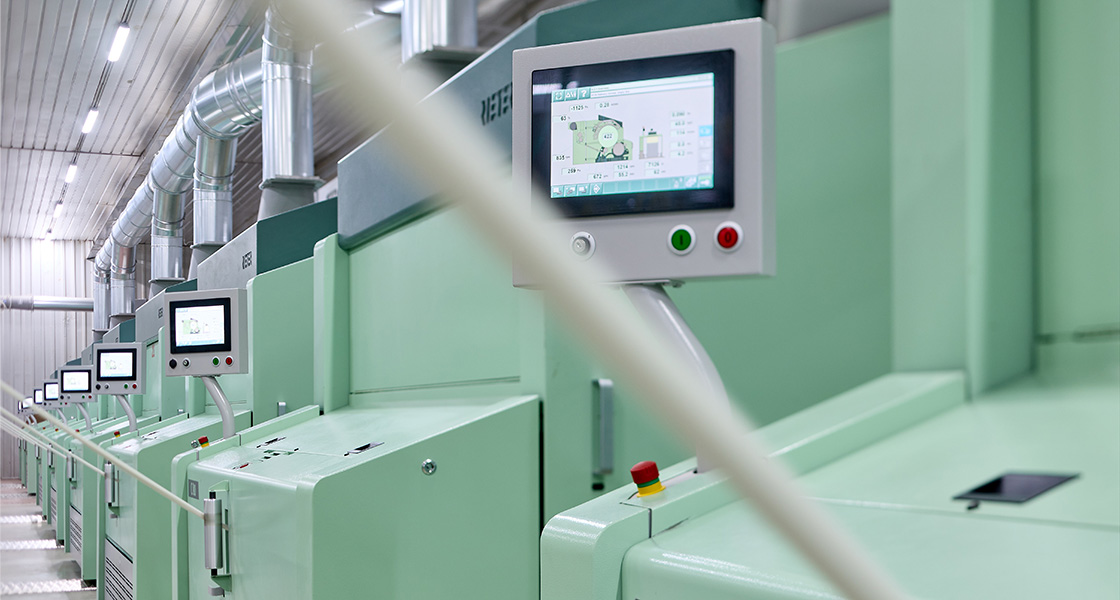
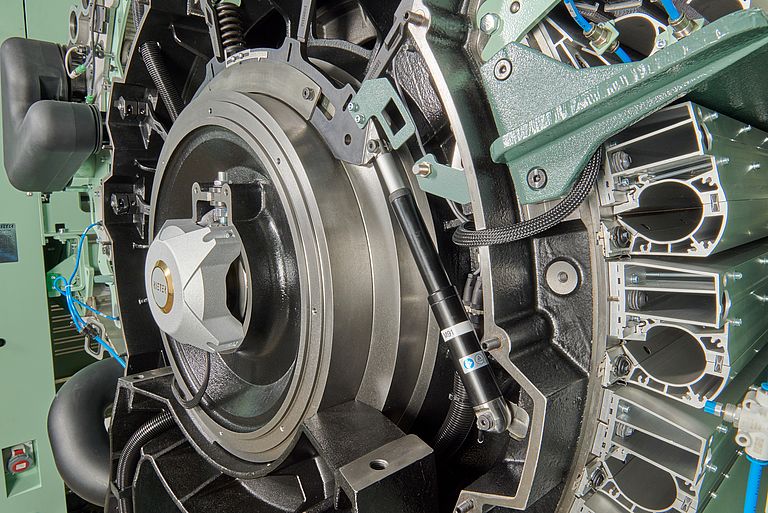
The card C 81 offers the largest active carding area on the market, supported by artificial intelligence. Carding Gap Control ensures a perfect carding gap in all conditions and thus unlocks the full potential of the 40 active flats. The card C 81 produces up to 40% more than any other card with an excellent sliver quality.

With the unique Trash Level Monitor, the trash level is always under control and fiber yield can be optimized. Sensors in the card infeed and after sliver formation analyze in real-time the material quality. The C 81 is also the most energy-efficient card on the market.
C 81 key features

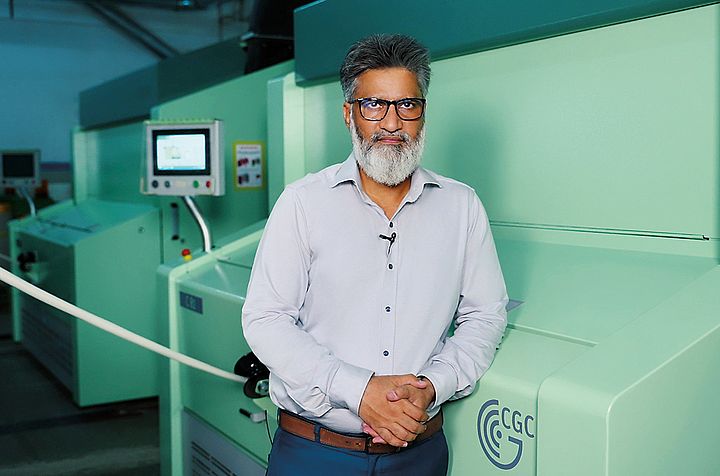
Rieter carding machine C 81: Carding Gap Control (CGC)

Maximum technological carding for up to 40% more sliver

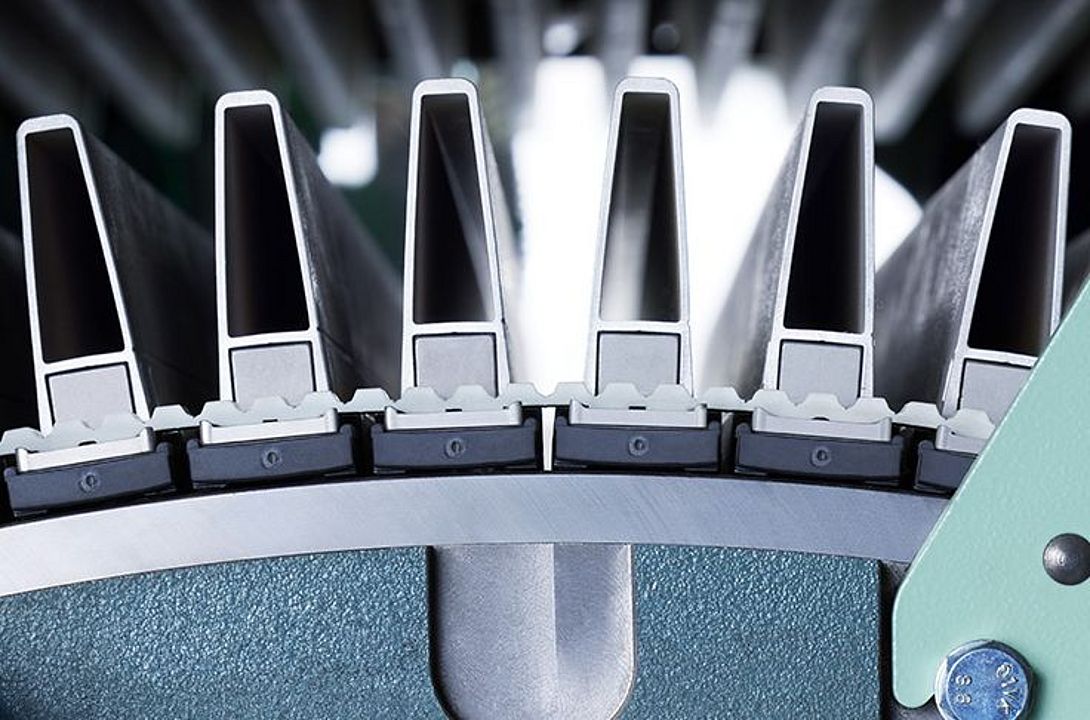
The maximum technological carding area is the basis for increased production up to 40%.

Energy costs are minimized thanks to the high production and thus lower number of cards required, as well as energy-efficient drives and an optimized waste air evacuation system.

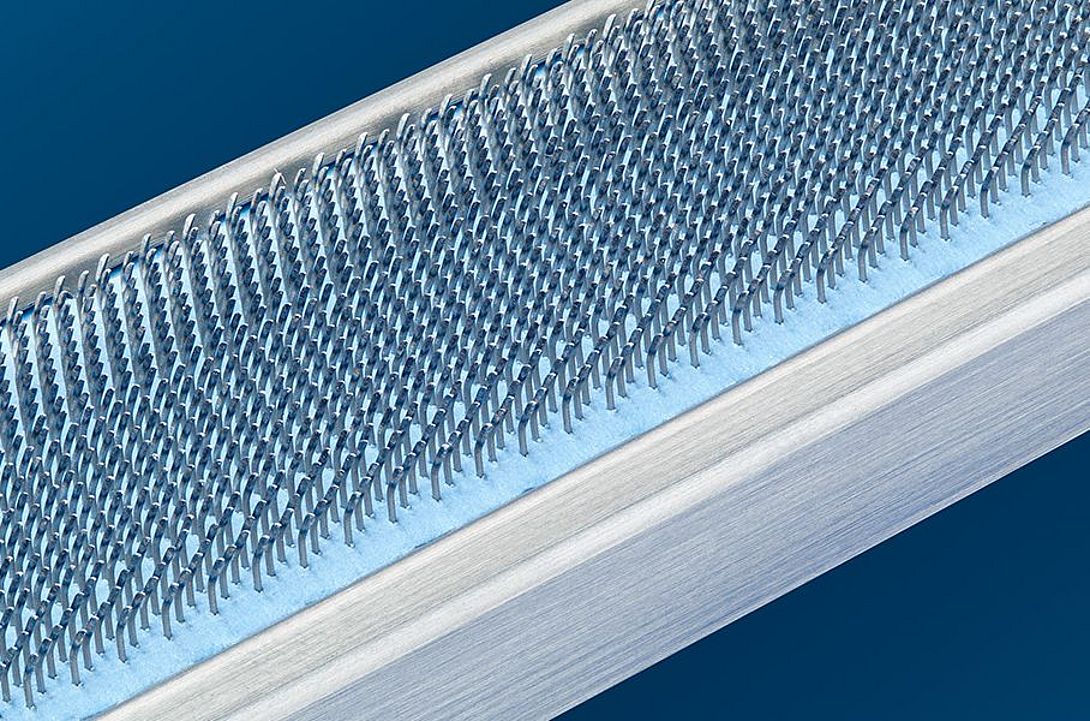
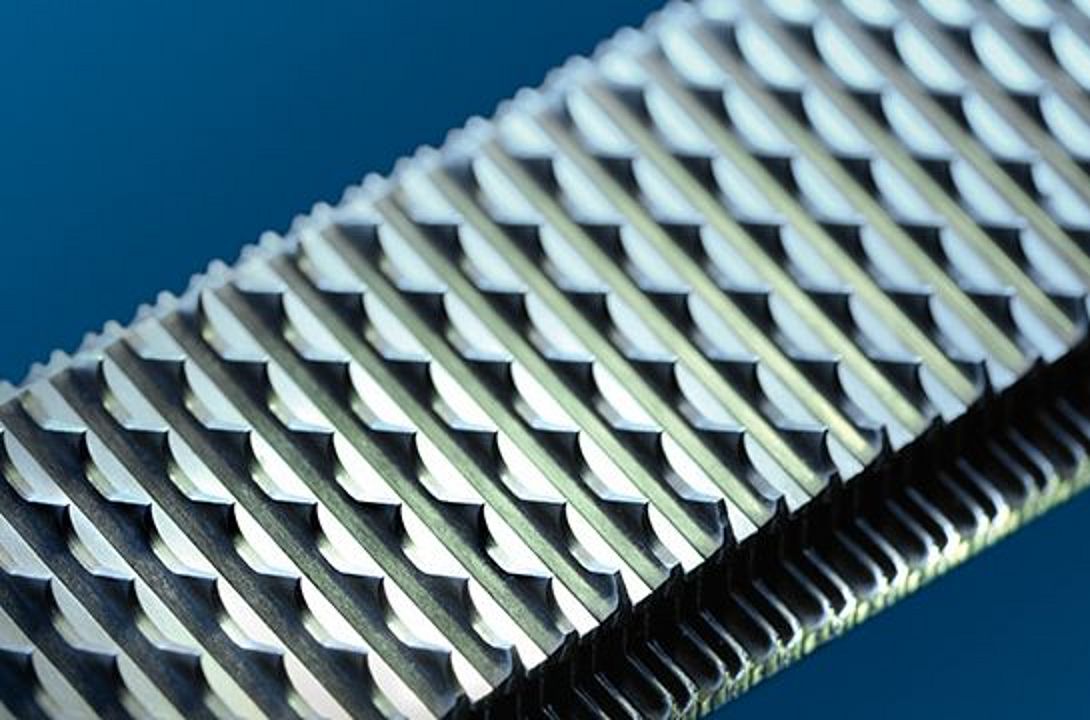
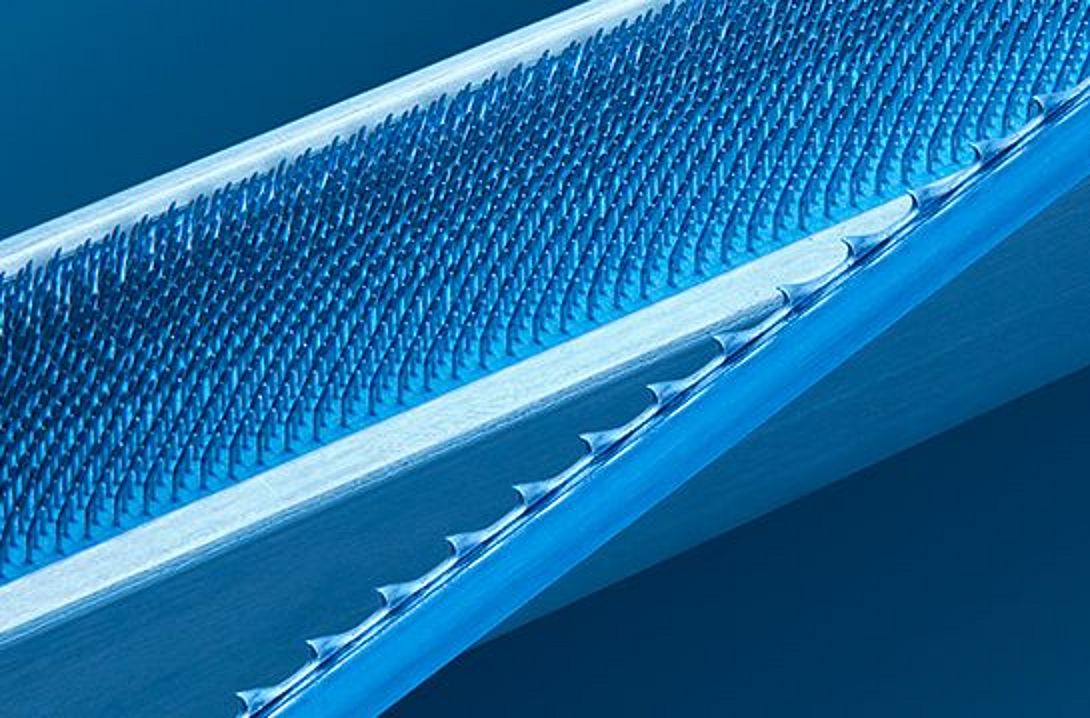
The innovative technological cross section combined with the flat clothing HYPERTOP and Trash Level Monitor increase the fiber yield by up to 2%.

Trash Level Monitor (TLM) of the Rieter carding machine C 81

Unmatched quality thanks to intelligent monitoring technologies

Excellent sliver quality is achieved by the 40 active flats and a perfectly controlled carding gap under all conditions by Carding Gap Control.

Trash Level Monitor keeps the sliver quality under control at all times, made possible with real-time trash analysis.

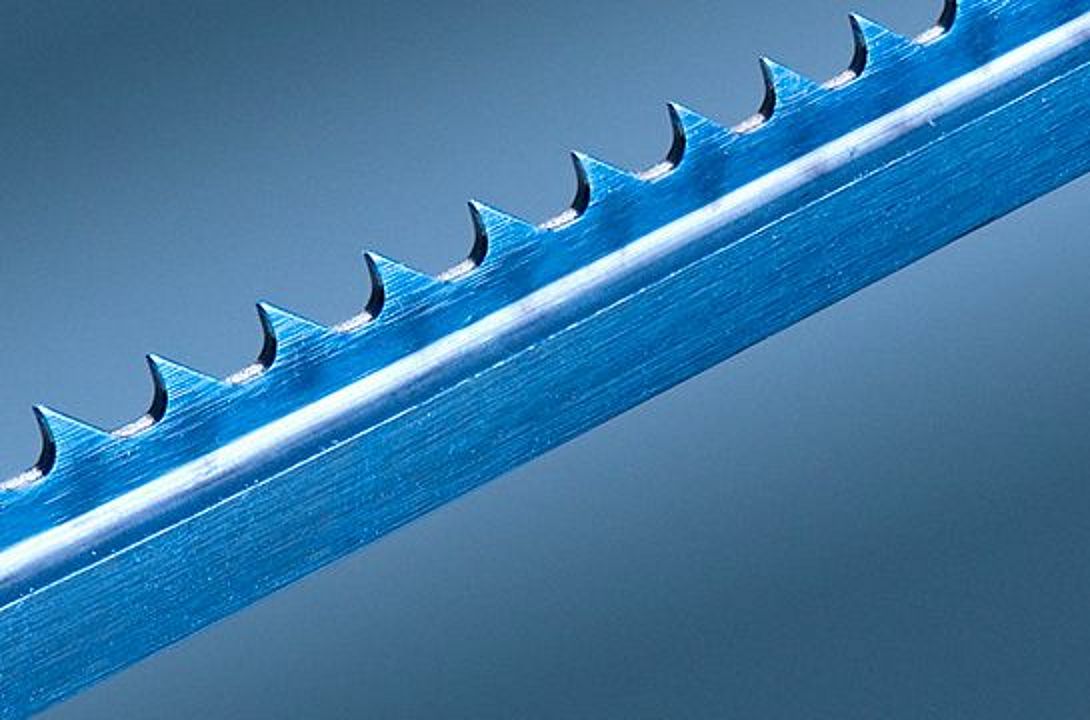
The Integrated Grinding System (IGS) sharpens the clothing automatically with lasting effect. This prolongs the service life of the clothing and ensures a consistently high sliver quality.

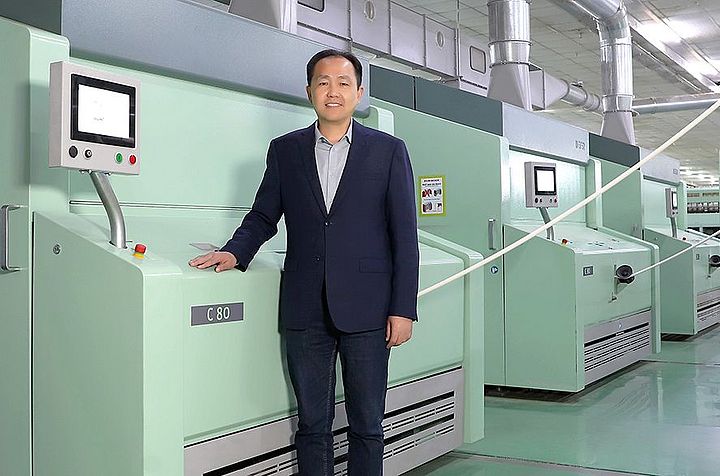
Rieter carding machine C 80: Carding Gap Control (CGC)

Flexible adaption to different raw materials

When machine conditions change, the Carding Gap Control adjusts the settings independently and ensures always a perfectly controlled carding gap.

Trash Level Monitor with its real-time trash analysis facilitates and accelerates machine optimization to achieve the targeted quality level.

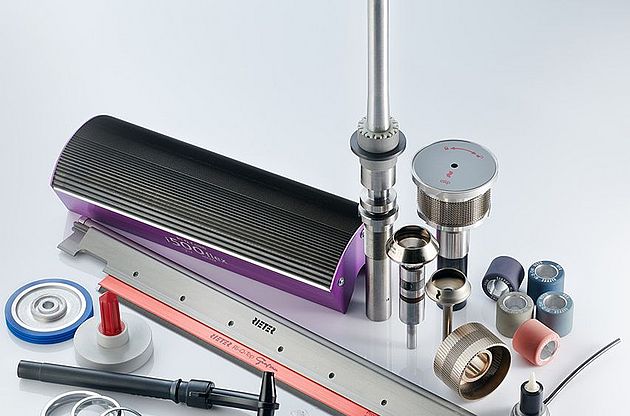
Integrated Q-packages in the pre- and post-carding zone with various inserts allow quick and easy adaptation to new raw material.

What customers say about the C 81

Rieter carding machine C 81
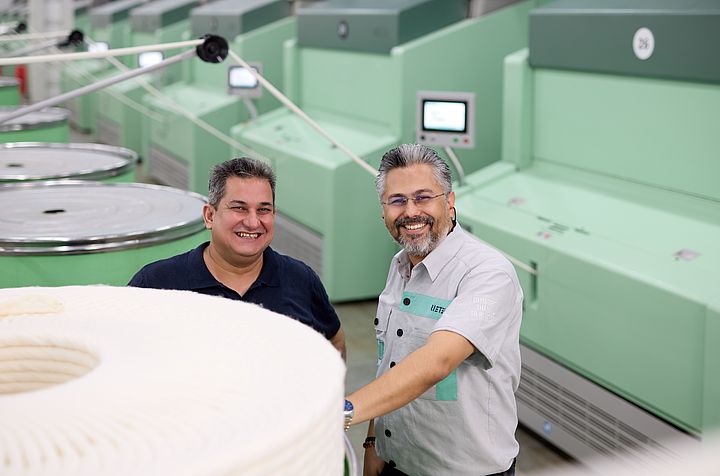
Compared with the former card we operated, the output increased by 220%, the CV% of card sliver is lower, the quality of yarn is higher.Zhang Aiyun, Head of Production of Qianjiang Changyun Textile Co., Ltd.

Technical specification

Dimensions

ParameterRange/Unit
Machine length3 440 mm
Machine width2 450 mm
Machine weight (with standard chute)9 200 kg
Working width1 500 mm

Technological data

ParameterRange / Unit
Raw materialCotton and man-made fibers up to 65 mm
Productionup to 300 kg/h
Card sliver count4 – 12 ktex
Batt weight550 – 900 g/m

Technical data (C 81 without sliver coiling section)

ParameterRange/Unit
Installed power**33.5 kW
Delivery speedup to 500 m/min
Compressed air0.7 Nm3/h
Exhaust air1.10 m3/s
Waste removalCentral suction, separate licker-in waste disposal
Cylinder speed340 – 650 rpm
** with FC (frequency converter), including card chute


Frequently asked question

How does the Trash Level Monitor work?

The Trash Level Monitor is an intelligent sensor system that measures the amount of trash in the carding process in real time. It continuously monitors the trash level before and after card process and provides data to the machine control system. This allows operators to adjust settings proactively for optimal cleaning efficiency and fiber utilization. The result is improved process transparency, reduced raw material waste, and consistent sliver quality even with varying fiber mixes or recycled materials. The Trash Level Monitor can be retrofitted on cards C 80 and C 81.

How does the Integrated Grinding System (IGS) work?

The IGS is an automated grinding system integrated into the card. It continuously sharpens the card clothing during machine operation without stopping production. This frequent grinding ensures that the clothing remains in optimal condition, delivering consistent carding performance and sliver quality. By maintaining sharp wire tips, IGS reduces fiber damage, minimizes maintenance downtime, and extends the clothing’s service life by 10 – 20%.

Can the C 81 handle recycled fibers?

Yes. The C 81 is designed to process recycled fibers, yarns, and fabric remnants effectively. Specialized components and optimized fiber flow ensure gentle treatment while maintaining cleaning efficiency, making it ideal for sustainable spinning operations.

Can the C 81 be integrated into existing carding lines?

Absolutely. Its modular concept allows flexible integration into both new and existing lines, whether Rieter or non-Rieter systems. This adaptability makes the C 81 a future-proof investment for mills looking to upgrade or expand their carding capacity.

How energy-efficient is the C 81?

The C 81 consumes up to 17% less energy than comparable 1.28 m cards. This efficiency is achieved through optimized drive systems, reduced friction, and the ability to reach higher production with fewer cards. Lower energy costs combined with reduced space requirements make the C 81 a highly economical solution.

How is superior sliver quality ensured?

Sliver quality is guaranteed through a combination of precision carding gap control, advanced monitoring systems, premium Graf card clothing, and the Integrated Grinding System (IGS) for continuous wire sharpening. These features ensure optimal fiber opening, minimal neps, and consistent sliver evenness, which translates into high-quality yarn downstream.

Downloads

High-Performance Card C 81 – Brochure

Autoleveler draw frame module RSB-Module 55

Autoleveler draw frame module RSB-Module 55 – the new benchmark in process shortening

The direct connection of the card with the new autoleveler draw frame module RSB-Module 55 reduces the number of draw frame passages and improves the efficiency of the spinning mill.

The RSB-Module 55 is based on the proven drive and drafting technology of the autoleveler draw frame RSB-D 55. A completely new, contact-free type of scanning technology for autoleveling the fed slivers and monitoring the delivered card sliver guarantees even better card sliver and yarn quality. If the raw material or card sliver weight is changed, no scanning rollers must be replaced. This increases flexibility and reduces costs.

The most important technical and technological highlights:

  • Two draft zones for best yarn evenness
  • Narrow cylinder distances for processing short fiber lengths
  • Up to five-fold total draft comfortably adjustable on the operating unit

High-performance cards success stories

XS
SM
MD
LG
XLG